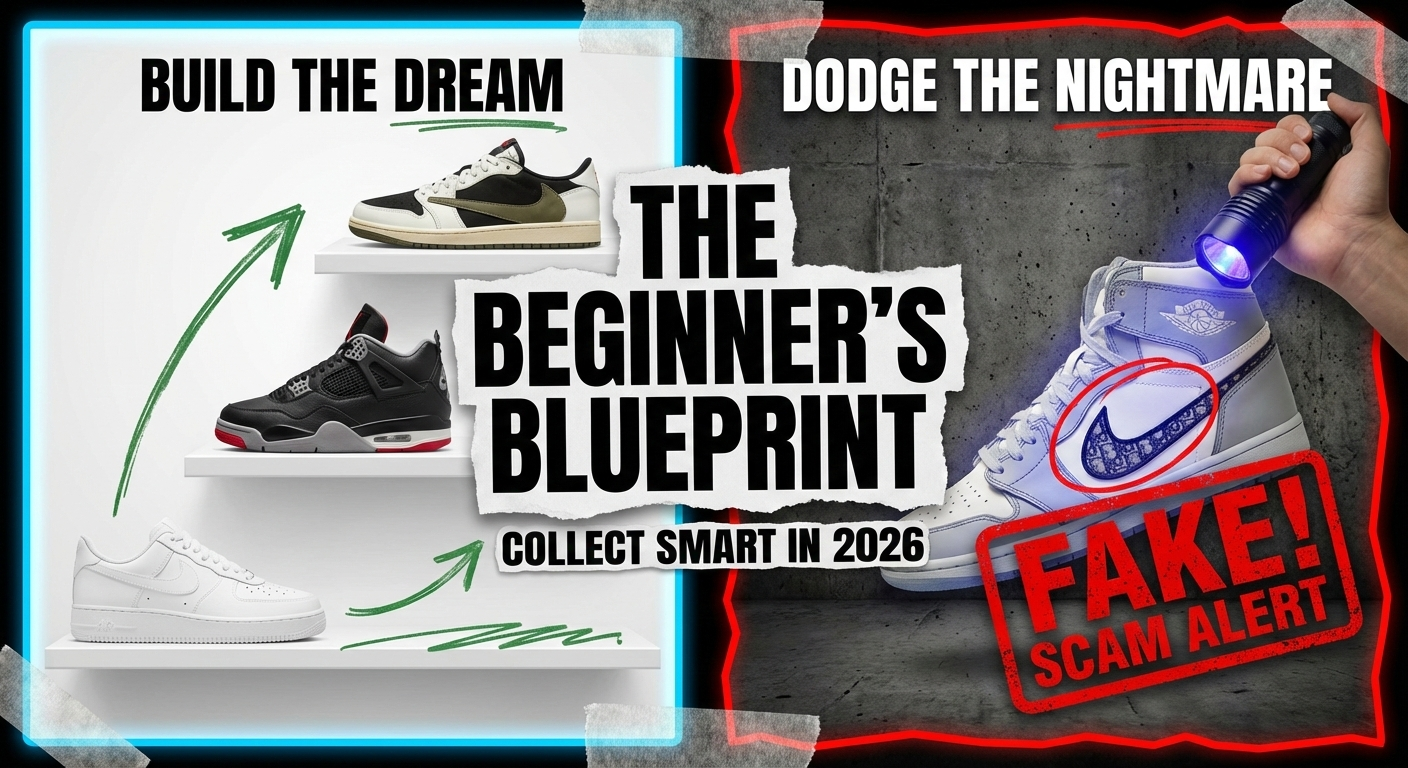
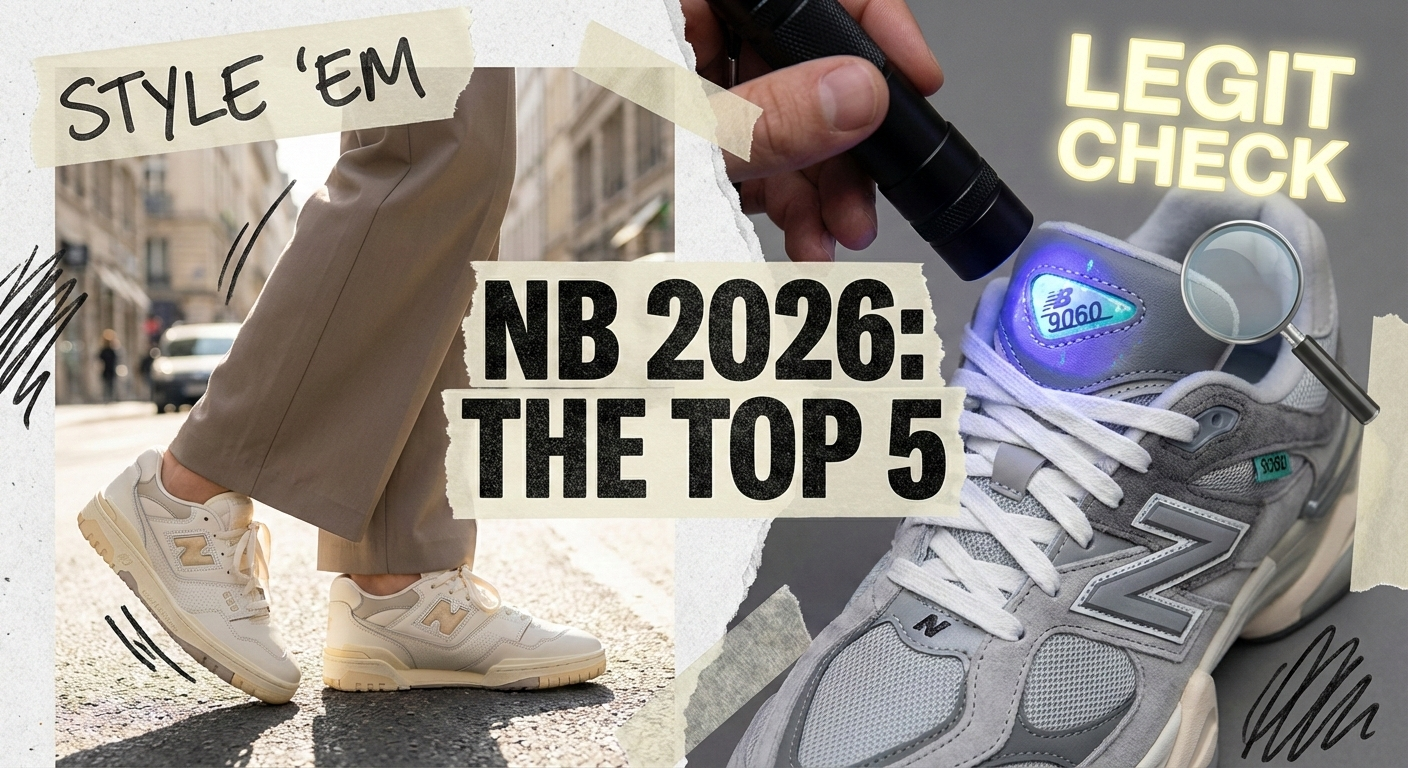
The Rise of the 'Super-Fake': Why Your Eyes Aren't Enough Anymore
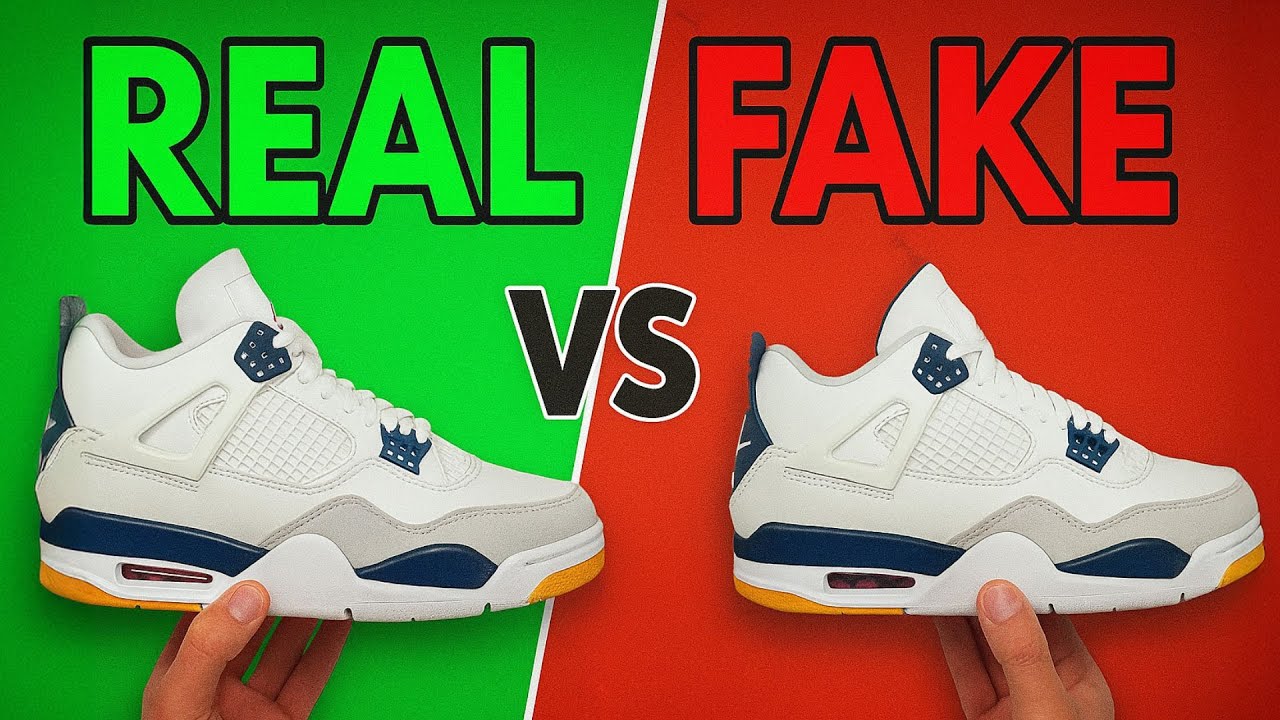
The Rise of the 'Super-Fake': Why Your Eyes Aren't Enough Anymore
The pit in your stomach. We’ve all felt it.
You just met a seller from a Facebook group. The price was "good, but not too good." You’ve got the shoes in hand, and they look beautiful. The leather feels right. The box has the right label. But there’s that tiny, nagging voice in the back of your head: Is this real? Or did I just hand over half a month's rent for $20 worth of materials from a factory overseas?
The "replica" game has evolved in the last years. We aren't dealing with bad stitching and backwards logos anymore. We are in the era of the Super-Fake.
The Social Anxiety of the 'Call-Out'
Let’s be honest: it’s not just about the money. It’s about the reputation. There is nothing worse than wearing your "grails" to a meet, only for someone to point out a slight flaw in the heel tab or a mismatched font on the size tag.
The fear of being "called out" is real, and it’s what keeps sneakerheads up at night. But as "reps" get better, the human eye is becoming less reliable. Even the most seasoned collectors are getting "burnt" because they rely on outdated "legit check" methods.
Why 'Eyeballing It' is a Recipe for Disaster
Ten years ago, you could spot a fake by looking at the "widow’s peaks" or the shape of the toe box. Today, factories use the same CAD files and the same leather suppliers as the big brands.
If you are performing a sneaker authentication based on "vibes" or a 2-minute look-over, you are gambling. Here is what the Super-Fakes are getting right—and where they still fail:
- The UV Light Test: Many high-tier fakes now pass the blacklight test, showing no ghost-stitching or "invisible" factory stamps.
- The Weight: Scammers are now weighting the soles to match the exact gram-count of retail pairs.
- The Scent: That "knock-off glue" smell? They’ve fixed it. Some fakes now smell more like "Nike" than Nike does.
The Financial Risk: Sneakers as Assets
We need to stop thinking of sneakers as just shoes. In 2026, they are an asset class. When you buy a pair of Jordan 4s, you are making an investment. If you can't prove that investment is 100% authentic with a Certificate of Authenticity, your resale value is zero.
A professional legit check isn't an "extra" step; it’s the most important part of the transaction.
How to Truly Protect Yourself
To survive the Super-Fake era, you need a multi-layered defense.
- Step 1: The Macro View. Use a shoe identifier to ensure the SKU, production dates, and materials align with the official release.
- Step 2: The Micro View. This requires a high-resolution sneaker scanner that can look at the "grain" of the leather and the density of the foam.
- Step 3: The Expert View. AI is incredible at spotting patterns, but human experts understand the "history" of a shoe, how certain factories in 2024 had a specific variation that wasn't a "flaw," but a quirk.
Don't Become a Statistic
Every day, thousands of people are getting scammed on secondary markets. They thought they were getting a deal; they ended up with a headache. Don't let your "holy grail" turn into a horror story. Whether you use a digital shoe authenticator or a human panel, never skip the verification process.
Trust is earned, but in the sneaker world, verification is power.
Don't Gamble with Your Grails
The 'Super-Fakes' are here, and they are good. Use Sneaker AI's dual-verification system, instant AI scanning plus 2-expert human legit checks to ensure your collection is 100% authentic. Get your Certificate of Authenticity in under 5 minutes.