How to Spot Fake Sneakers: The 2026 Resale Authentication Guide
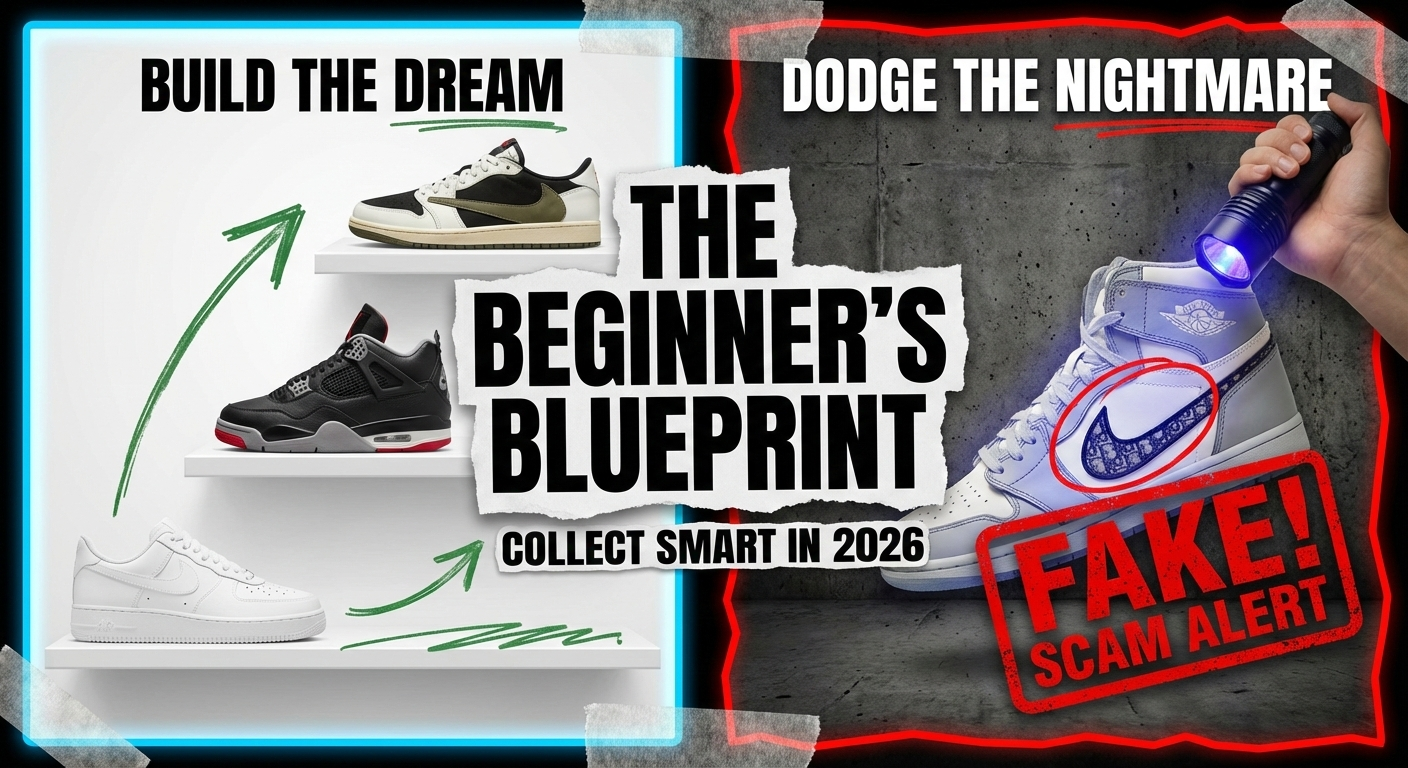
In 2026, a "good deal" is usually a trap.
The replica industry has evolved. We are no longer dealing with "fakes" that have misspelled logos; we are dealing with UA (Unauthorized Authentic) batches that use the exact same leather and digital molds as the retail pairs. Whether you're buying on eBay, FB Marketplace, or a local meetup, you need more than just a gut feeling.
This is your master guide to performing a professional-grade legit check using the tools and techniques of 2026.
1. The "DNA" Check: SKU & Box Labels
Before you even touch the shoe, look at the box. Replica factories often neglect the packaging to save on shipping costs.
- The SKU Match: Use a shoe identifier to scan the SKU on the box. It must perfectly match the tag inside the shoe and the official brand database.
- The Font Kerning: Look at the letters on the label. On authentic Nike sneakers, the spacing (kerning) between letters is laser-precise. Fakes often have "wavy" text or letters that are too thin.
- Hidden Micro-Text: By 2026, most high-heat Jordans and New Balances have hidden micro-text on the price tag that is only visible under a magnifying glass.
2. The Blacklight (UV) Test
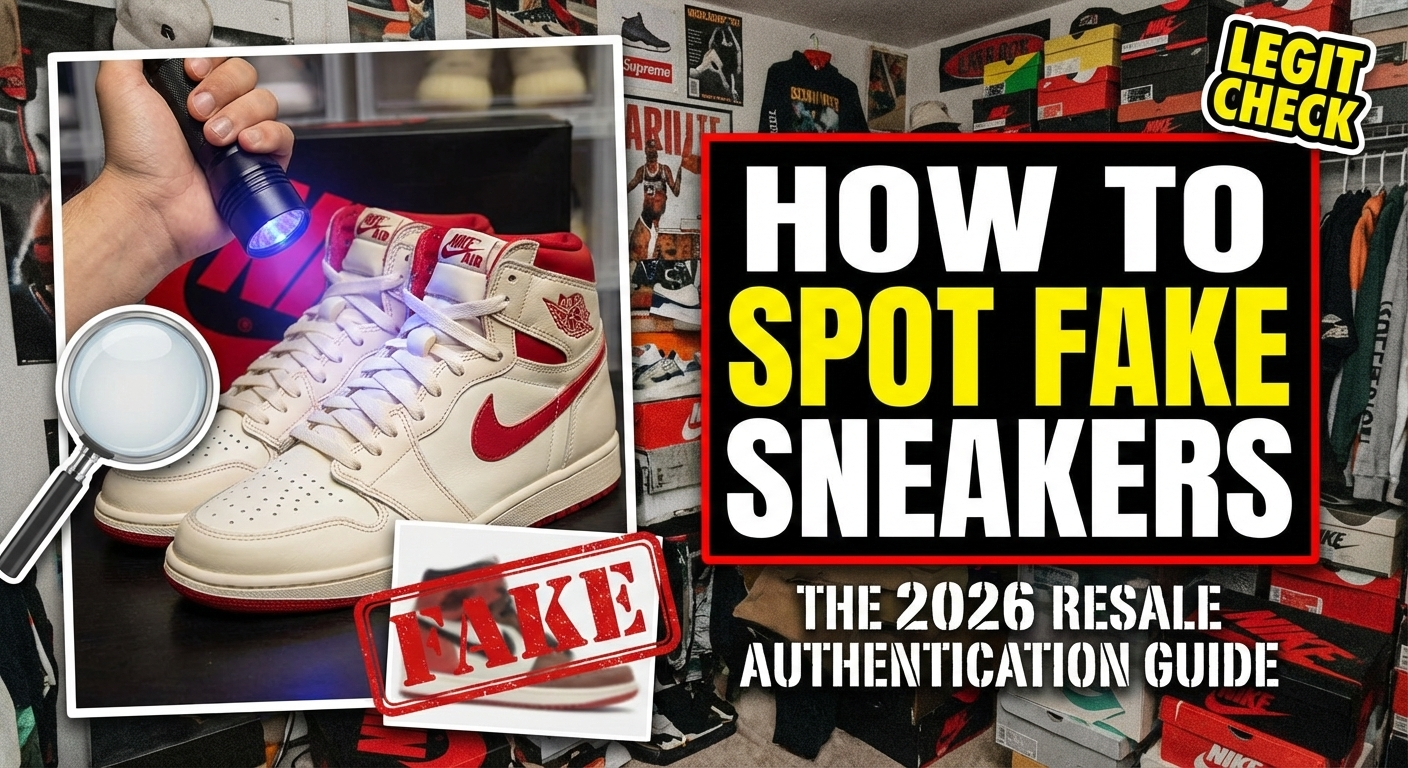
If you are a serious collector, a $10 UV flashlight is your best friend.
- The Invisible Marks: Authentic factories are clean. Replica factories often use "guideline" pens to show workers where to stitch. Under a blacklight, a fake pair will often reveal glowing dotted lines or glue stains that are invisible to the naked eye.
- Swoosh Reaction: On the latest Nike sneakers, the stitching and the leather often react differently to UV light. If the entire shoe glows or none of it glows, you’re likely looking at a rep.
3. Silhouette Specifics: What to Look For
Every brand has a "tell." In 2026, here are the most common flaws in the trending models:
- Jordan 4 (The "Cage" Test): The mesh on the side of a Jordan 4 should always run parallel to the lace eyelets. If the mesh is vertical or horizontal, it’s a fake.
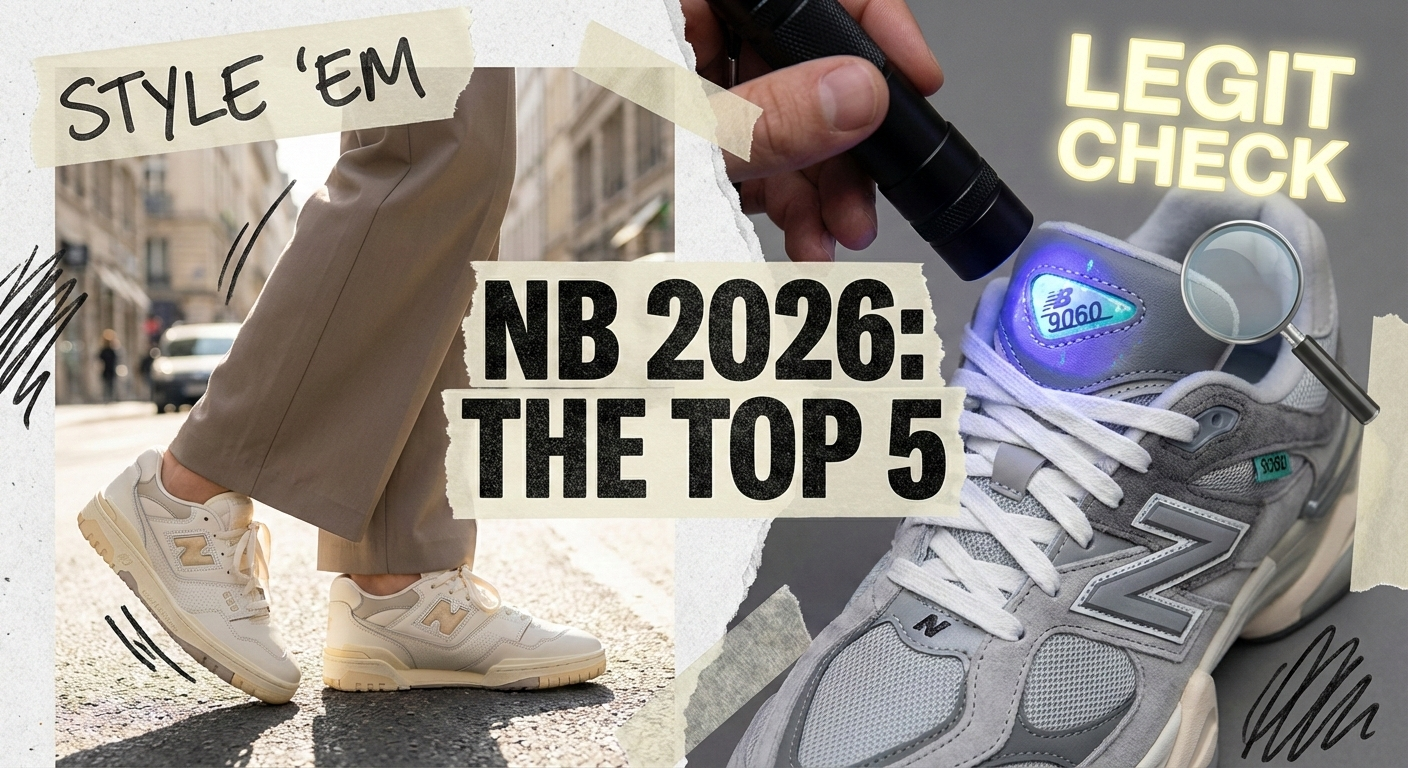
- New Balance 1906R (The Heel Tech): The 1906R has a complex TPU heel cage. Replicas often use a softer, cheaper plastic that you can bend easily with your thumb. Authentic pairs are rigid and structural.
- Puma Speedcat (The "Sneakerina" Flow): The 2026 viral Speedcats have a very slim, aerodynamic silhouette. Fakes often look "bottom-heavy" or have a toe box that is too chunky.
4. The "Chemical" Scent
Believe it or not, the smell test is still one of the most reliable ways to perform a legit check.
- Authentic: Real sneakers have a neutral, slightly sweet "new shoe" smell.
- Replica: Fakes are often rushed through production and packed immediately. When you open the box, they will hit you with a strong, toxic scent of industrial glue or spray paint. If they smell like a chemical factory, walk away.
5. Leveraging AI Technology
The human brain is wired to see what it wants to see. If you really want that pair of shoes, you might overlook a crooked stitch. An AI-powered sneaker scanner doesn't have emotions.
By using a shoe authenticator app, you are comparing your pair against millions of data points. The AI can detect "stitching density" (the number of stitches per centimeter) and "color hex codes" that are physically impossible for the human eye to differentiate.
The 2026 Golden Rule
If you can't verify it, don't buy it. The resale market is full of honest sellers, but it’s also the primary income source for sophisticated scammers. Using a professional shoe identifier or a 2-expert sneaker authentication service isn't just an extra step—it’s the only way to ensure your 2026 collection is built on a foundation of 100% authentic heat.
Don't Get Burned by a Super-Fake
Replica quality is at an all-time high. Use Sneaker AI's advanced shoe identifier to scan for microscopic flaws or get a professional legit check from our experts in under 10 minutes. Secure your fit today.